The Dance
The Dance is the vibrant, recurring Saturday-night event at the Weedpatch government camp, a ritual that crystallizes the migrants' collective identity and their hard-won autonomy. More than mere entertainment, the dance becomes a proving ground for the camp's system of self-rule, a space where joy is manufactured against a backdrop of scarcity, and where the community actively defends its right to assemble against the hostile forces of the Associated Farmers and their deputies.
Origins and Social Function
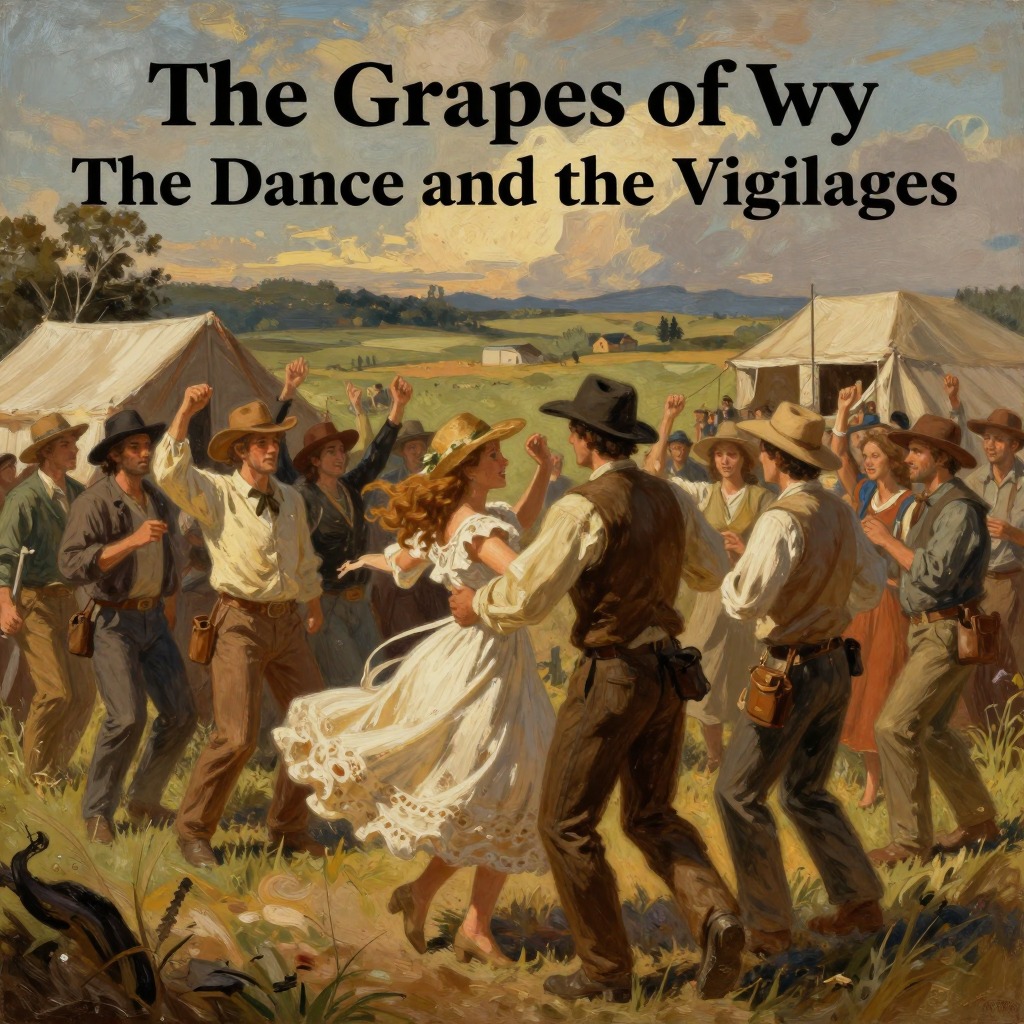
The dance emerges organically from the migrant people's hunger for pleasure and connection. As the novel's intercalary chapter on migrant amusements explains, people "dug for pleasure, manufactured pleasure, and they were hungry for amusement" . Storytellers, musicians, and dancers all contribute to a shared culture that transforms individual hardship into collective experience. The Saturday night dance at Weedpatch is the most organized expression of this impulse. It is not a spontaneous gathering but a planned event, with the Entertainment Committee, led by Willie Eaton, taking responsibility for its success. The camp's string band—featuring fiddle, guitar, and harmonica—provides the music, playing reels and square dances that draw the entire community. The dance floor, lit for the first time with patched-together electric wire and bottle-neck insulators, becomes a beacon of light and life in the darkness of the migrant experience .
The Dance as a Site of Resistance
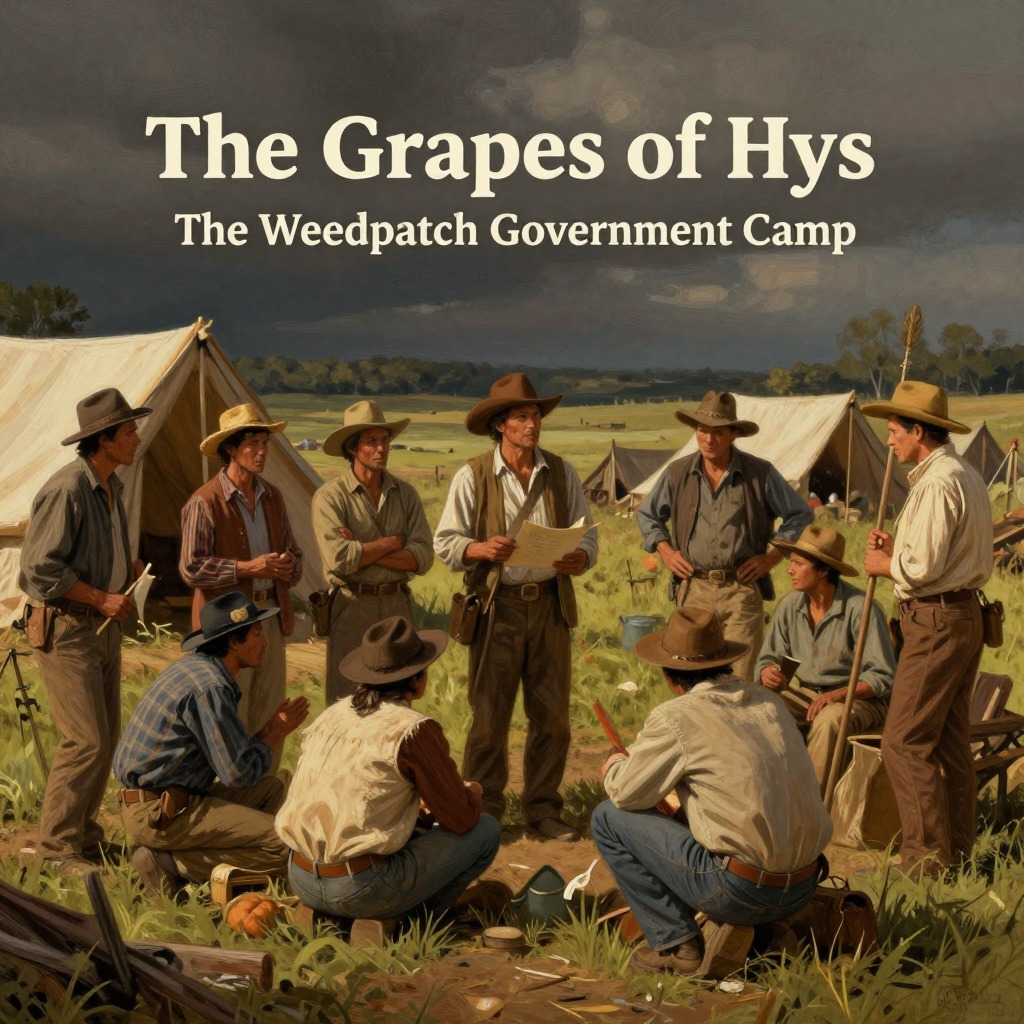
The dance is not merely a social occasion; it is a direct challenge to the power structures that seek to control and disperse the migrant population. The Farmers' Association, through the Bank of the West, views the government camp's autonomy as a threat. As Mr. Thomas, a small farmer, reveals to Timothy Wallace, the Association plans to provoke a fight at the dance, providing a pretext for deputies to "clean out the camp" . The camp's Central Committee, led by Ezra Huston, learns of this plot and organizes a defense. Willie Eaton assembles a team of twenty strong men, who are instructed to dance, watch for trouble, and quietly eject any provocateurs without marking them, thus denying the deputies their excuse for intervention . The dance becomes a covert operation, a test of the community's ability to police itself and resist external manipulation.
The Night of the Dance: Order and Confrontation
The dance itself unfolds with a carefully managed tension. The string band plays "Chicken Reel" and other tunes, the caller chants the figures, and the dancers move with a fierce, joyful energy . The old folks watch, tapping their feet, while the Jesus-lovers sit apart, condemning the sin of "clutch-an'-hug dancin'" . Three young men, sent by the Association, attempt to start a fight by challenging a dancer for his partner. Before they can act, Willie Eaton's men wall them in and, at a prearranged whistle, escort them off the platform and out of the camp . The music never stops; the dance continues without interruption. When a car of deputies arrives at the gate, claiming to respond to a riot, the guard can truthfully point to the sound of the music and the orderly scene. The plot is foiled, and the camp's self-governance is vindicated.
Narrative and Thematic Significance
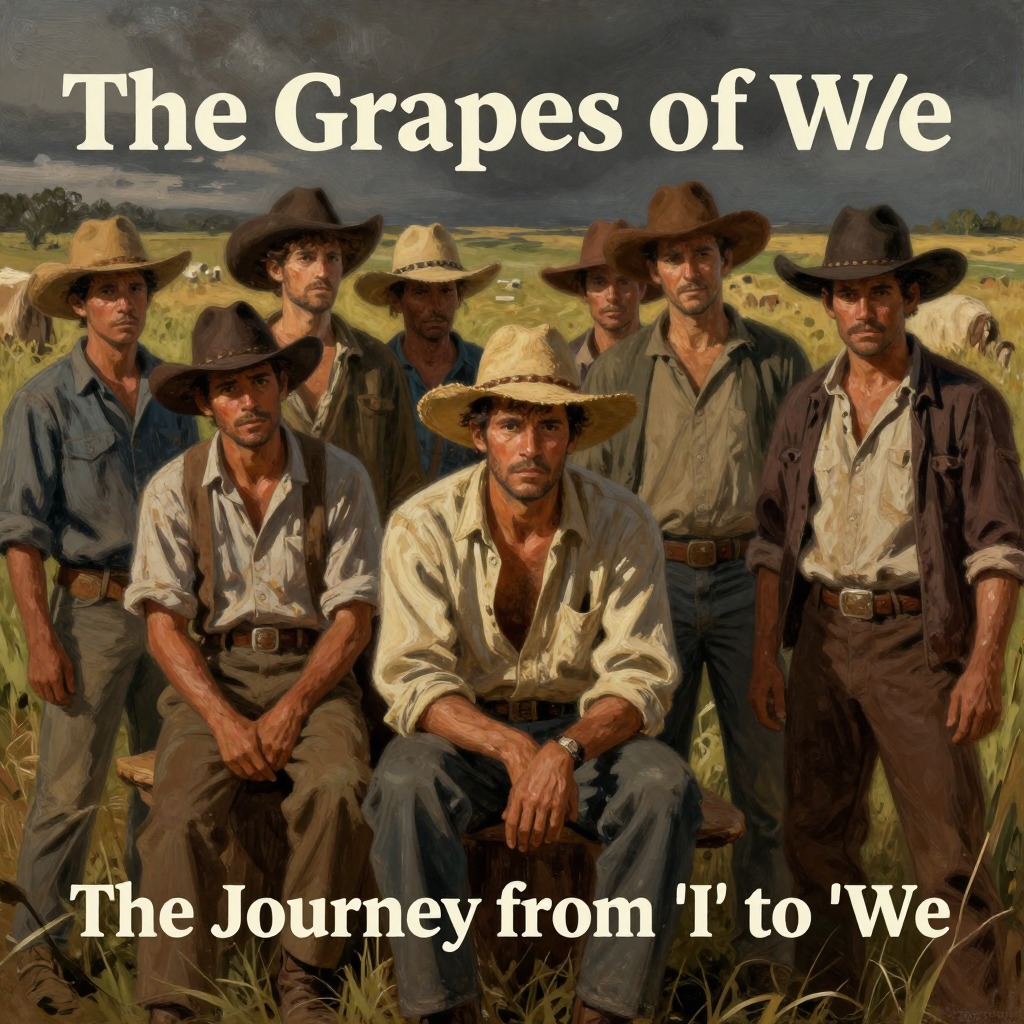
The dance sequence is a powerful demonstration of the novel's central themes: the shift from "I" to "we," the dignity of collective action, and the necessity of organized resistance. It shows that the migrants, when given a modicum of democratic space, can create order and defend themselves more effectively than any external authority. The dance is a microcosm of the world the Joads and their fellow migrants are trying to build—a world based on mutual aid, shared pleasure, and self-determination. It stands in stark contrast to the chaos and violence of the Hoovervilles and the exploitative labor camps, offering a fleeting but potent vision of what community could be. The event also deepens the character of Tom Joad, who serves on the gate and floor committee, marking his integration into a larger political struggle beyond his own family's survival.